

California DREAMS Showcases Semiconductor Impact on the National Stage
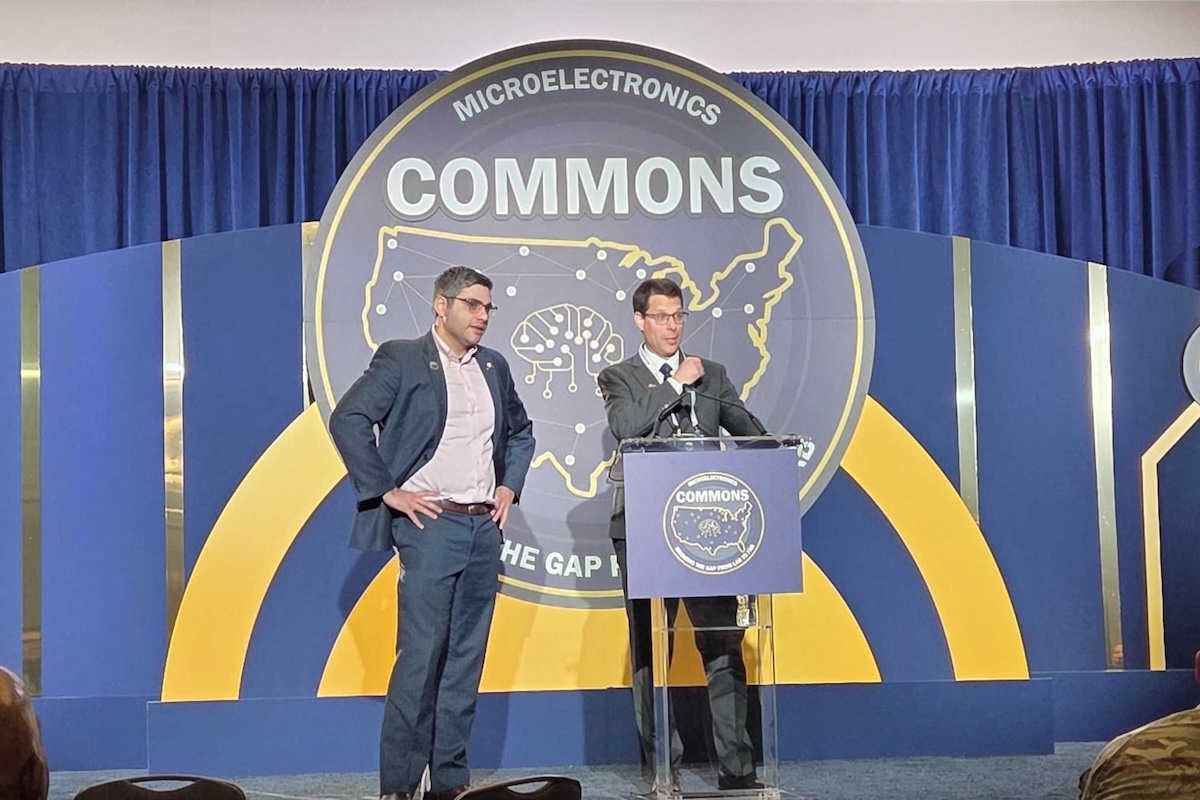
The USC-led semiconductor superhub highlighted its innovation and workforce development leadership at the 2026 Microelectronics Commons Annual Meeting in Washington, D.C.
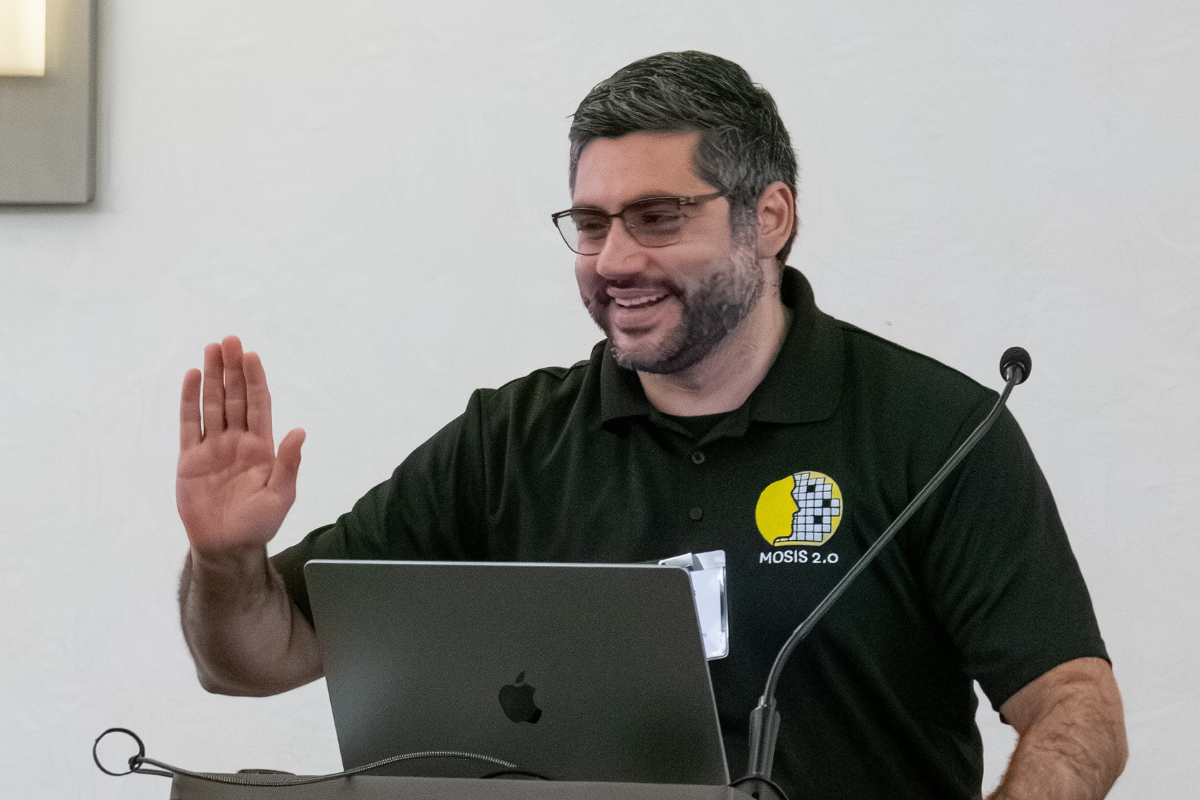
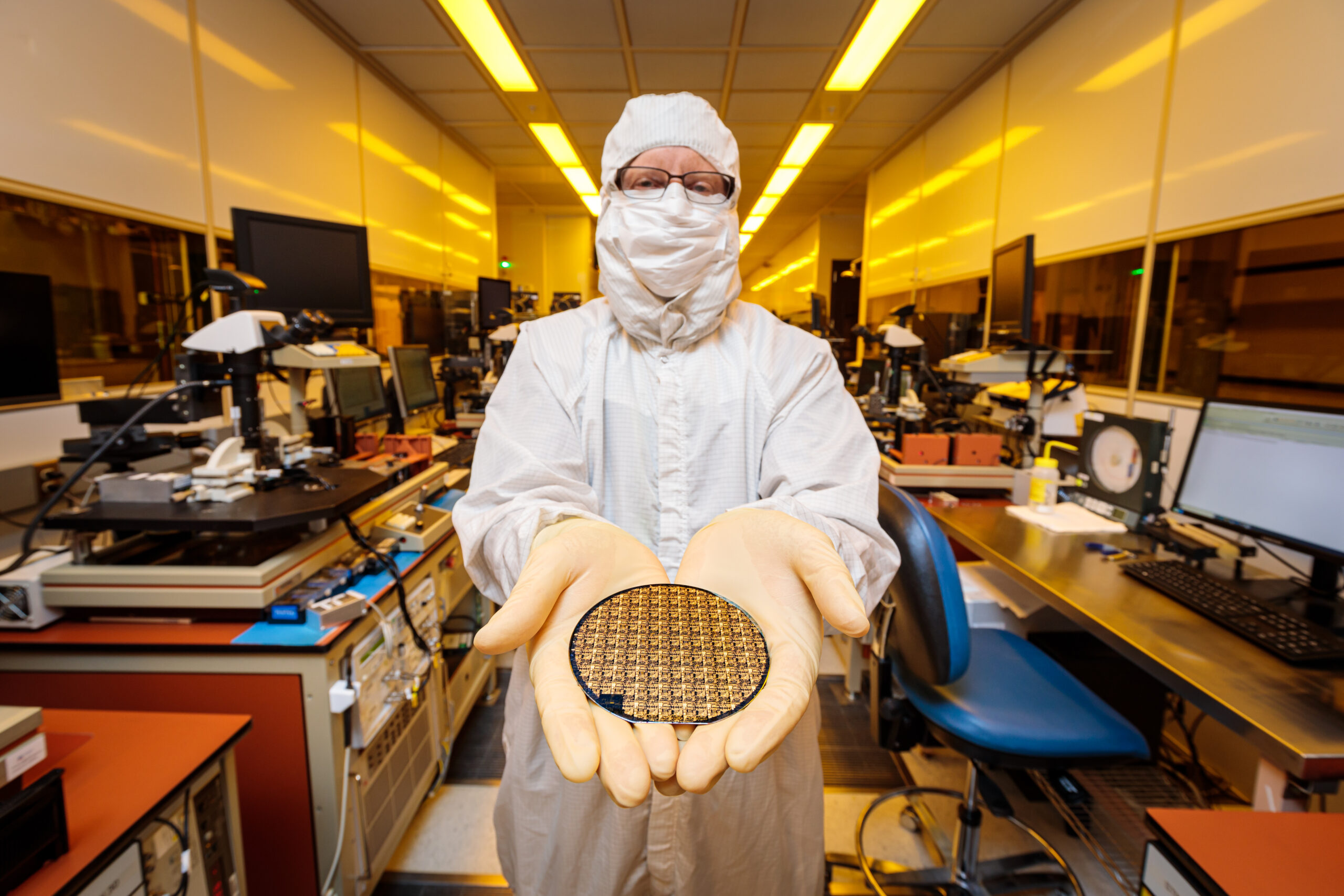
Rehan Kapadia, director of MOSIS 2.0, shared how the service is building on its pioneering legacy to create a national network that lowers barriers, accelerates prototyping, and drives U.S. innovation in microelectronics.
As CA DREAMS’ semiconductor fabrication service transitions to full-scale operations, Rehan Kapadia, a longtime faculty contributor and director of the USC John O’Brien Nanofabrication Laboratory, is named the new Director of MOSIS 2.0. Kapadia brings a strong vision for advancing MOSIS 2.0’s mission to accelerate semiconductor prototyping.
In 2025, MOSIS 2.0, is significantly expanding its semiconductor prototyping capabilities beyond Southern California to include technologies from two additional technology hubs: the Southwest Advanced Prototyping (SWAP) Hub, led by the Arizona Board of Regents on behalf of Arizona State University, and the Midwest Microelectronics Consortium (MMEC) Hub in Ohio.
UC San Diego’s work is part of the California DREAMS hub, a Southern California regional coalition of universities, contractors and workforce-development organizations led by the USC Viterbi School of Engineering and its Information Sciences Institute (ISI).
Over four decades, MOSIS delivered more than 60,000 integrated circuit designs and generated up to $10 million annually at its peak. Now, its successor, MOSIS 2.0, is advancing this legacy to address the next-generation of chip innovation.
The Department of Defense has awarded an additional $27 million from the CHIPS & Science Act to CA DREAMS. This continued investment will further support CA DREAMS in advancing U.S. semiconductor capabilities by expanding its infrastructure, operations, and workforce development.
Troubleshooting for secondary source materials can often be time and labor intensive, taking up to a year to solve. In a Pipe Cleaner project, Hub partners University of California, San Diego and Northrop Grumman worked together to find a substitute process material. The promising result took months off their normal timeline.
The US Department of Defense is directing $31.9m in funding to the California Defense Ready Electronics and Microdevices Superhub (CA DREAMS), led by USC Viterbi’s Information Sciences Institute. The award aims to accelerate the development of advanced semiconductor technologies.
Through a collaboration initiated by the CA DREAMS hub, UC Santa Barbara’s Nanofabrication Facility is leveraging data analytics tools from PDF Solutions to improve uniformity and repeatability in academic nanofab processes. If successful, it could put the hub on the right path to accelerating lab-to-fab transitions.
Receive notifications for new MOSIS 2.0 offerings and upcoming MPW runs.